Pay in installments of $5.14 with
 ,
,
 and
and

Shipping Estimate
USA
- USA
- CAN
- USA
- CAN
Ships within 48 hours · Estimated delivery Jul 3 - Jul 8
 Promo Codes Available:
For Your Every Summer RSVP, with Code: SUMMER15
Description
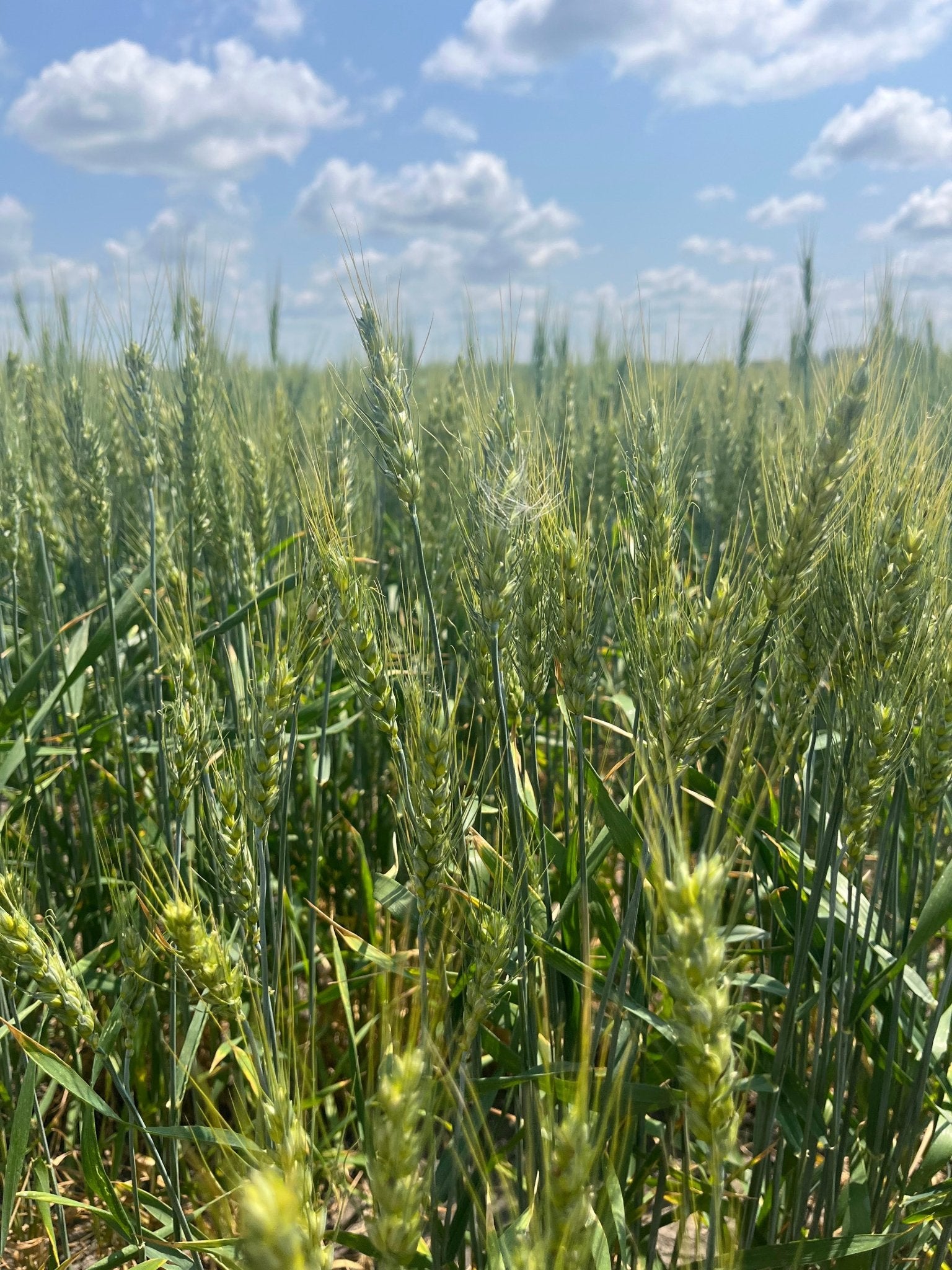
winter wheat seed planting Versatile Winter Wheat for Wildlife Food Plots – Hale Habitat & SeedWinter Wheat is a versatile cereal grain widely grown for grain production, forage, and wildlife food plots. It is highly valued for its nutritional content, providing an excellent food source for deer, turkeys, waterfowl, and other wildlife. It also serves as effective cover for nesting birds and small mammals. Key Characteristics of Winter Wheat Planting Time: Fall planting (September to November, depending on region) to establish before winter
Winter Wheat is a versatile cereal grain widely grown for grain production, forage, and wildlife food plots. It is highly valued for its nutritional content, providing an excellent food source for deer, turkeys, waterfowl, and other wildlife. It also serves as effective cover for nesting birds and small mammals.
Key Characteristics of Winter Wheat
-
Planting Time:
-
Fall planting (September to November, depending on region) to establish before winter dormancy.
-
-
Planting Depth:
-
1 to 1.5 inches for optimal germination and establishment.
-
-
Planting Rates:
-
Broadcast: 90-120 lbs per acre.
-
Drilling: 60-90 lbs per acre.
-
-
Days to Maturity:
-
110-150 days in spring, depending on variety and growing conditions.
-
-
Height at Maturity:
-
2-4 feet tall, depending on variety and growing conditions.
-
-
Drought Tolerance:
-
Moderate; performs well in dry conditions but may require supplemental moisture during critical growth stages.
-
-
Saturated Soil Tolerance:
-
Low to moderate; can tolerate short periods of wet soil but is susceptible to root rot in prolonged waterlogged conditions.
-
-
Shade Tolerance:
-
Low; prefers full sun for optimal growth.
-
Fertilization Guidelines
-
Nitrogen (N):
-
Apply 50-80 lbs per acre at planting, with an additional 40-60 lbs per acre in early spring for grain or forage production.
-
-
Phosphorus (P) and Potassium (K):
-
Apply based on soil test recommendations. Typical rates range from 30-60 lbs per acre for P and K.
-
-
pH Range:
-
Prefers a soil pH of 6.0-7.0 for optimal growth.
-
Herbicide Use
-
Winter Wheat is competitive against weeds, but herbicide use may be necessary in high-weed-pressure situations.
-
Pre-Emergent Herbicides:
-
Use products labeled for wheat, such as pendimethalin or metribuzin, to control annual grasses and broadleaf weeds.
-
-
Post-Emergent Herbicides:
-
2,4-D, dicamba, or MCPA can be used for broadleaf weed control. Always follow label instructions and ensure the herbicide is safe for wheat.
-
-
Caution: Avoid herbicides that may harm wildlife if the crop is intended as a food source.
Shipping Notes
- Free Standard Shipping on $100+ Orders to the USA.
- Except Preorder products are shipped in 48 hours.
- Delivery to the USA:
- Standard Shipping : 3-10 business days
- If time is of the essence, please consider selecting expedited delivery for faster service.
Exchange/Return Notes
- We offer a 30-day return/exchange service after receiving.
- Final sale items are not eligible for returns or exchanges.
- To process your return/exchange, please contact us at [email protected]
- Please click here for more details>>> Return & Exchange Policy